Description
Age-related memory decline usually begins around age 50, although it can begin at an earlier age. It is part of the aging process, but unlike signs of aging that you can see, such as gray hair or wrinkles, memory decline is very subtle and often creeps up without notice. Being concerned about aging is legitimate. But new research suggests that natural agents have the potential to support normal mental functioning.
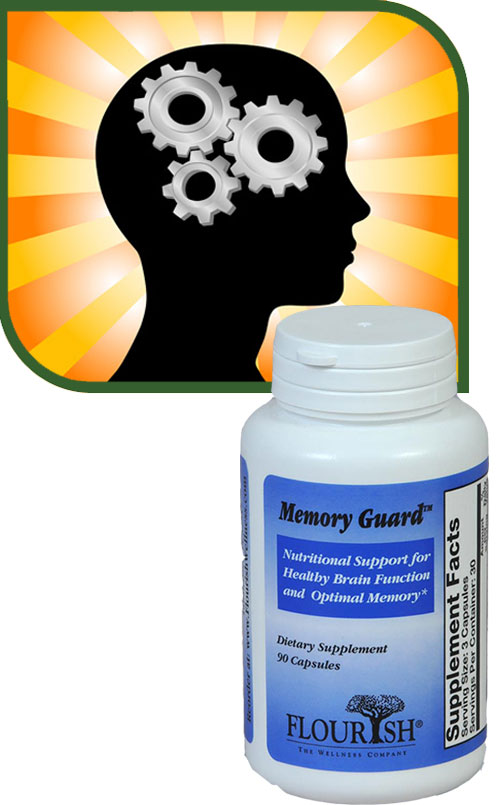
You don’t have to lose your mental edge as time goes by. The specially selected nutrients in Memory Guard can maintain your brain power and support healthy mental function. Age-related memory loss is not inevitable.
“Top 12” Nutrients for Brain Health
1. Phosphatidylserine is one of the most scientifically promising memory enhancers that supports optimal memory during healthy aging. It keeps cell membranes flexible for nutrient absorption and maintains proper nerve impulse transmission in the brain to help your memory pathways stay healthy and functioning normally.
2. Alpha-GPC is a form of choline that your body produces naturally, so it is able to cross the blood-brain barrier elevating your brain’s supply of choline and acetylcholine and helping your brain maintain optimal performance.
3. Phosphatidycholine is a valuable nutrient that is a major factor in building and repairing the structure of brain cells and cell membranes. It also assists in the transfer of information in the brain.
4. DMAE converts into acetylcholine, a neuro-transmitter that is vital for short-term memory and learning capacity.
5. DHA is the king of brain fats that is a type of omega-3 from fish oil and is the most powerful player in brain chemistry. That is why fish is frequently called “brain food.”
6. Blueberry Extract is an antioxidant superpower that is loaded with highly effective anthocyanidins to guard against free radical damage to the brain.
7. Bacopa Extract provides nutritional support to learn and retain new information and to increase the body’s resistance to stress.
8. Inositol is important to brain power by supporting the health of cell membranes and for proper nerve transmission. The body’s highest levels of Inositol are present in the heart and brain.
9. Vitamin D has long been known to be vital for strong bones, but new evidence suggests it also may help keep the brain sharp as people age. Researchers have discovered certain cells in the brain have receptors for Vitamin D that assist in keeping the brain healthy and functioning optimally.
10. Green Tea Extract is a potent source of antioxidants and has the ability to relax blood vessel walls supporting circulation in the brain and throughout the body.
11. Vitamin B6 is a key vitamin for mental and brain health because it is critical for making neurotransmitters and can help minimize the harmful effects of stress.
12. Folate is associated with better cognitive health in ageing.
Memory Guard is an all natural nutritional supplement. This exclusive formula is backed by our Money-Back Guarantee. At Flourish Wellness, quality is king – and always has been. Your satisfaction is our top priority.
Most of us are living longer and want our brains operating at peak performance for our entire lives.
Nourish Your Brain with Memory Guard – Superior Nutritional Support for a Sharp, Clear Memory

Reviews
There are no reviews yet.